

How gambling shapes cultural identities around the world
The Historical Roots of Gambling
Gambling has a long and rich history that intertwines with the cultural narratives of many societies. From ancient civilizations that used dice and betting games to divine the will of the gods, to modern-day casinos that embody luxury and entertainment, gambling serves as a reflection of societal values and norms. In cultures across the globe, the act of betting has been used not only for recreation but also as a means of social bonding and cultural expression. For a premier experience, many players turn to https://db-bet-bd.net/, which highlights modern gaming trends.
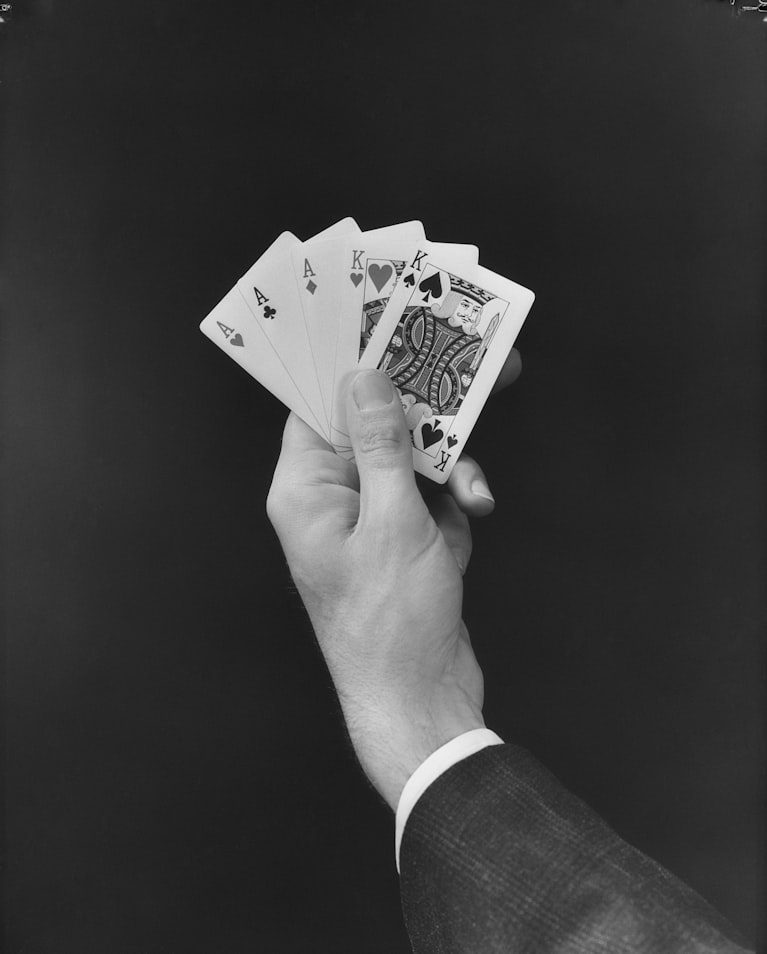
The origins of gambling can be traced back thousands of years, with artifacts suggesting its practice in Mesopotamia, China, and India. These early forms of gambling were often linked to rituals and celebrations, reinforcing community ties and collective identity. As societies evolved, so too did the forms and methods of gambling, mirroring changes in social structure and cultural significance.
Gambling as a Social Connector
In many cultures, gambling acts as a social glue, bringing people together in shared experiences. Whether it’s a game of poker among friends or participating in large-scale betting on sporting events, these activities foster camaraderie and community spirit. Social gatherings centered around gambling often serve as informal platforms for dialogue, strengthening relationships and cultural ties.
Moreover, the communal aspect of gambling is particularly evident in regions where traditional games are celebrated. For instance, in some Indigenous cultures, gambling is integrated into festivals and communal events, providing entertainment while reinforcing cultural heritage. This blend of play and tradition showcases how gambling can shape and reflect cultural identities.
Gambling and Economic Identity
The economic implications of gambling are profound and varied, influencing cultural identity in numerous ways. In many regions, the gambling industry creates significant employment opportunities and drives tourism. Casinos and betting establishments often become landmarks, shaping the economic landscape and contributing to community development.
Furthermore, the revenue generated from gambling can fund local projects, such as education and infrastructure, which can enhance a community’s cultural identity. However, the relationship between gambling and economic growth is complex; it also raises questions about social responsibility, addiction, and the impact on traditional lifestyles. This duality highlights the intricate ways gambling intertwines with cultural identity and societal values.
The Cultural Perception of Gambling
Cultural perceptions of gambling vary widely around the world, shaping how it is integrated into society. In some cultures, gambling is celebrated and viewed as a legitimate form of entertainment, while in others, it may carry a stigma, seen as a vice or a source of moral decay. This dichotomy reflects deeper societal values and attitudes toward risk-taking and fortune.
In many Asian cultures, for example, gambling is often viewed through a lens of luck and fate, intertwined with traditional beliefs. Festivals that incorporate gambling games are common, illustrating a cultural acceptance that contrasts with the more negative connotations found in some Western societies. This disparity in perception underscores how deeply gambling can impact cultural identity, both positively and negatively.

Exploring Localized Gambling Experiences
The rise of online platforms has revolutionized the way people engage with gambling, creating new cultural dynamics. Websites tailored to specific regions, such as DBbet, offer localized experiences that resonate with individual cultural identities. These platforms cater to local preferences, integrating popular sports and traditional games, thus enhancing the connection between gambling and cultural heritage.
Additionally, the accessibility of online gambling can lead to a blending of cultural practices, allowing individuals to participate in a global gambling community while still celebrating their local customs. This fusion creates a rich tapestry of gambling experiences, reflecting the complexities of cultural identity in a modern, interconnected world.